
Professional Training
Training for the stage. Three levels, from 10 to 18.
Training for the stage. Three levels, from 10 to 18. Between five and a half and fourteen and a half hours a week, within a school that belongs to a professional company. No audition to enter.
The essentials
Enrolment fee: 90 € · Audition: No · Age: 10 – 13 years · Days: Mon · Wed · Times: 17:30 – 20:30 · Monthly fee: 140 €
Enrolment fee: 90 € · Audition: No · Age: 13 – 16 years · Days: Mon · Wed · Fri · Times: 17:30 – 21:30 · Monthly fee: 1 Day – 98 € · 2 Days – 165 € · 3 Days – 230 €
Enrolment fee: 90 € · Audition: No · Age: 14 – 18 years · Days: Mon – Fri · Times: 17:00 – 21:30 · Monthly fee: 2 Days – 165 € · 3 Days – 235 € · 5 Days – 325 €
Where training becomes a craft
Professional Training prepares a dancer for a professional career: it refines the classical foundation, builds the artistic side and adds the disciplines a company truly asks for. The aim is stated plainly: to be ready to join the corps de ballet of Ballet de Catalunya, or of another company.
- 01
What changes
The hours. Elementary is one hour a week, or two and a quarter with Thursdays; here it is between five and a half and fourteen and a half, over two afternoons or spread across the whole week. Ballet stops being one more activity in the diary and becomes what the week is organised around.
Elementary Training - 02
What a week contains
A classical class in every session and, around it, pointe work, contemporary, repertoire and physical conditioning. From the intermediate level there is also a complementary discipline (jazz, character or flamenco), because a company asks a dancer for more than one language.
- 03
Where it leads
To professional auditions and to Trainee from the age of sixteen: training alongside the company itself, under its artistic direction. And along the way, the stage: with the school and sometimes with the company.
Trainee Programme
A school within a company
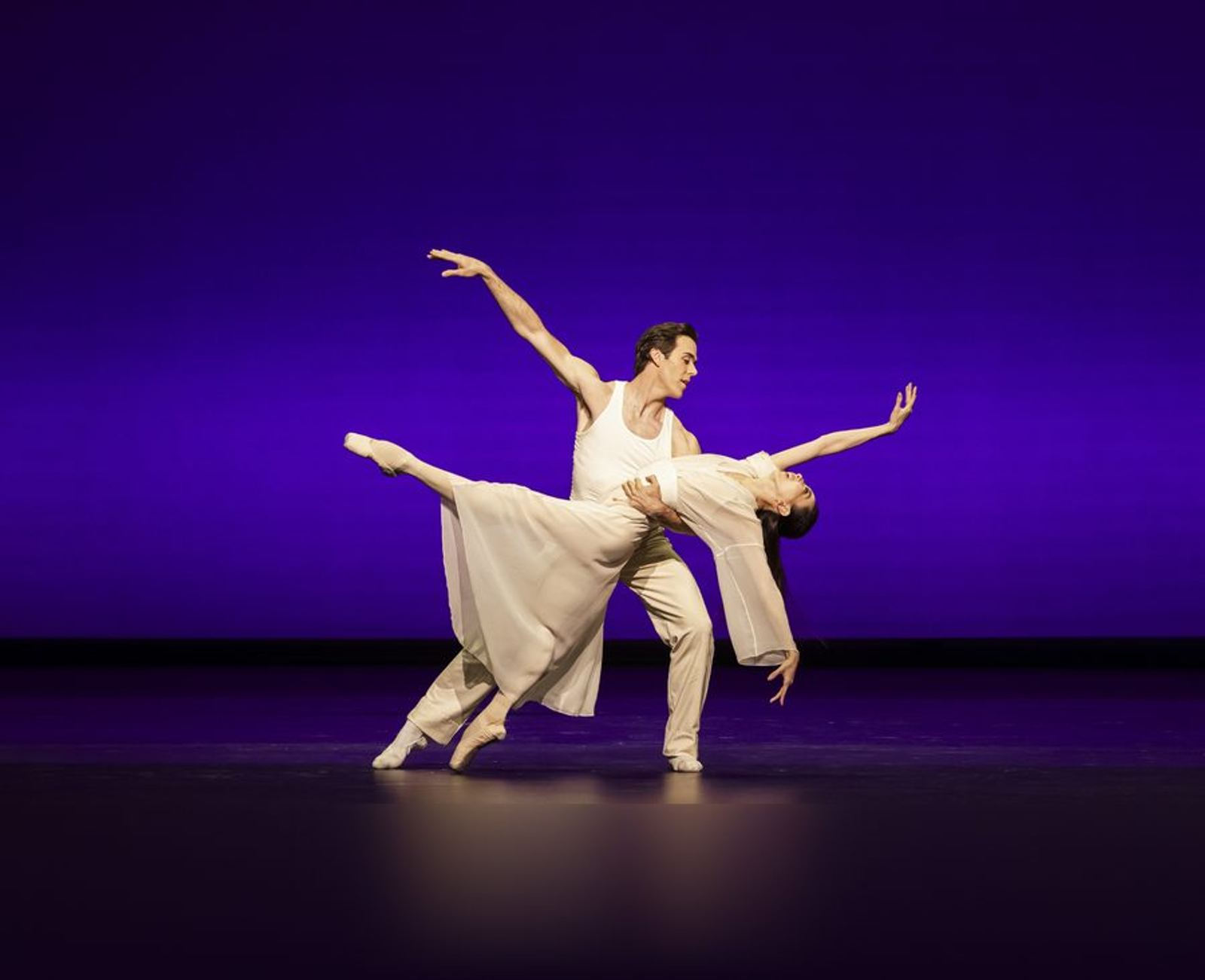
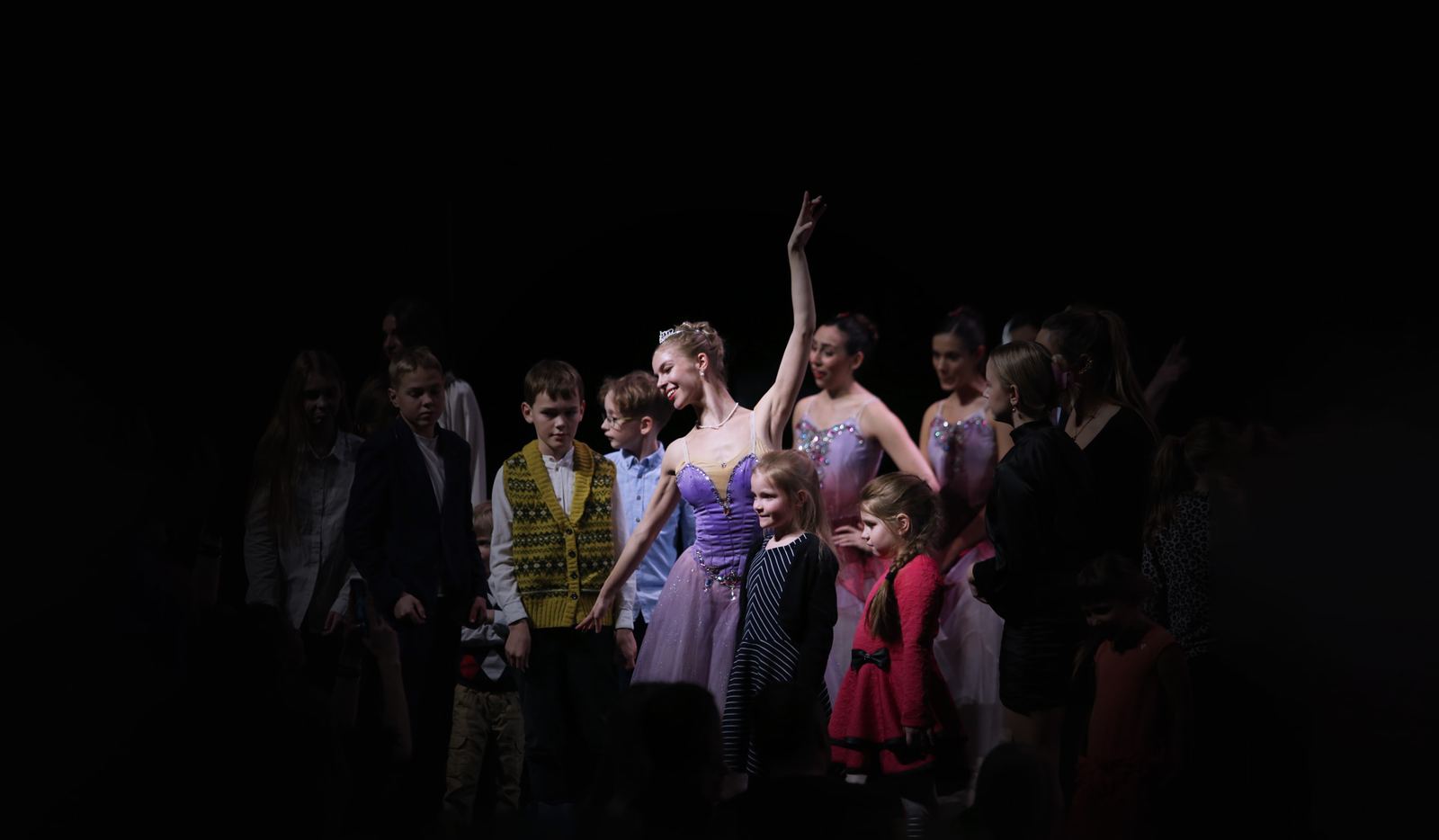
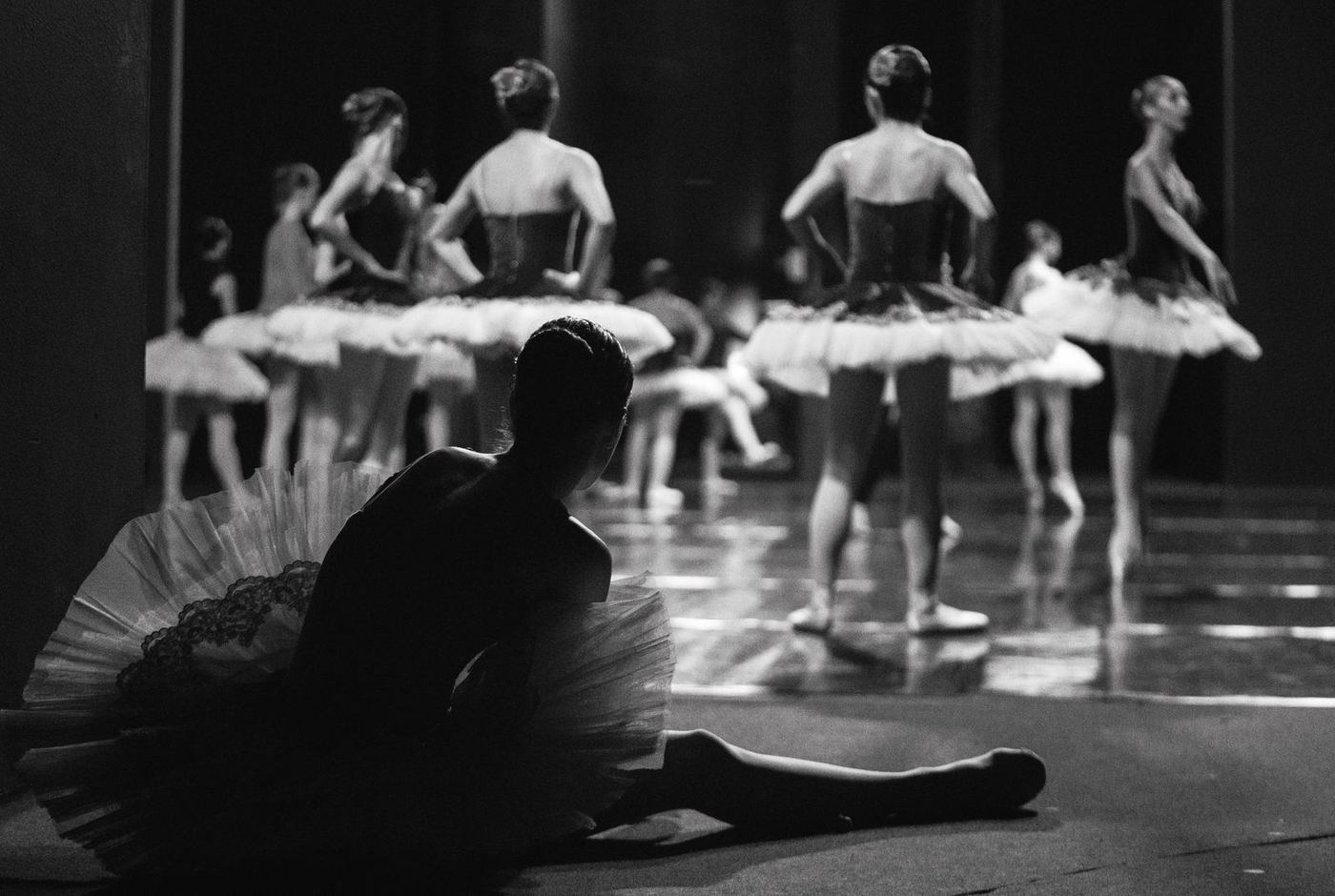
Students on this pathway may be called on to dance in performances of the professional company Ballet de Catalunya, El Cascanueces among them, whenever they are cast. Add the school's El Cascanueces in December and the end-of-year show at the Auditori de Terrassa, and a dancer here reaches sixteen having set foot on a real stage many times. That is the difference between studying ballet and doing it.
The three levels
Each level has its own timetable, weekly load and price. You move up when the level below is done, not when a birthday says so.
Enrolment fee: 90 €, once per school year; non-refundable. Discounts for siblings, annual payment and large families are applied at enrolment.
Pre-Professional 1
140 € a month
Ages 10 – 13 · Mon and Wed
- 5.5 to 6 hours a week
- Classical class, contemporary, repertoire and physical training
- Pointe work from the age of twelve
- With Lara Bothwell
Pre-Professional 2 · Intermediate
From 98 € a month
Ages 13 – 16 · Mon, Wed and Fri
- 1 day: 98 € · 2 days: 165 € · 3 days: 230 € a month
- Classical class, pointe work, contemporary, repertoire and physical conditioning
- One complementary discipline: jazz, character or flamenco
- With Arasay Toledo
Pre-Professional 2 · Advanced
From 165 € a month
Ages 14 – 18 · Mon – Fri
- 2 days: 165 € · 3 days: 235 € · 5 days: 325 € a month
- Up to 14.5 hours a week
- Classical class every day, pointe work, contemporary, repertoire and physical conditioning
- Guest teachers and preparation for professional auditions
- With Clara Sánchez
Timetable · Pre-Professional 1
- Ballet
- Contemporary
- Pointe
- Ballet
- Physical preparation
- Repertoire
Timetable · Pre-Professional 2 · Intermediate
- Ballet
- Contemporary, with all of Pre-Professional 2
- Physical preparation, with all of Pre-Professional 2
- Ballet
- Repertoire and pointe
- Ballet
- Repertoire and pointe
- Contemporary, with Advanced
Timetable · Pre-Professional 2 · Advanced
- Ballet
- Contemporary, with all of Pre-Professional 2
- Physical preparation, with all of Pre-Professional 2
- Ballet
- Repertoire
- Physical preparation
- Ballet
- Ballet
- Repertoire and pointe
- Ballet
- Repertoire and pointe
- Contemporary, with Intermediate
The teachers

Lara Bothwell
Pre-Professional 1
English National Ballet School
Arasay Toledo
Pre-Professional 2 · Intermediate
Cuban National Ballet School

Clara Sánchez
Pre-Professional 2 · Advanced
Real Conservatorio Profesional de Danza Mariemma and The Rock School for Dance Education (Philadelphia)
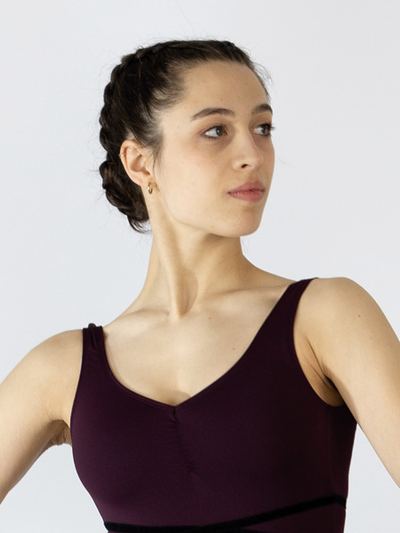
Julia Bihannic
Contemporary
Lyon National Conservatoire of Dance

David García
Repertoire
Institut del Teatre and Centre de Dansa de Catalunya
What a week includes
Classical class is the backbone of every session. These are the disciplines built around it, and how many each dancer takes depends on their level.
- 01
Classical class
The daily work: barre, centre, adagio and allegro. Everything else rests on it.
- 02
Pointe work
Taught in a dedicated class from age twelve. Strength and precision before speed, always.
- 03
Contemporary
A second language for the body: weight, floor work, release. Companies look for this in auditions as much as they do classical technique.
- 04
Repertoire
Real choreography from the classical repertoire, learned the way a company learns it: by counts, through corrections and by repetition.
- 05
Physical conditioning
Strength and injury prevention. The unglamorous half of a long career.
- 06
Complementary discipline
Jazz, character or flamenco, from the intermediate level.
- 07
Masterclasses
Throughout the year, with guest teachers from Spain and abroad: pas de deux, pointe work, repertoire, physical preparation, nutrition for dancers, injury prevention, hair and make-up.
- 08
Intensives
Winter in December, spring from 22 to 26 March, and the Summer Intensive from 28 June to 16 July 2027.
Summer Intensive
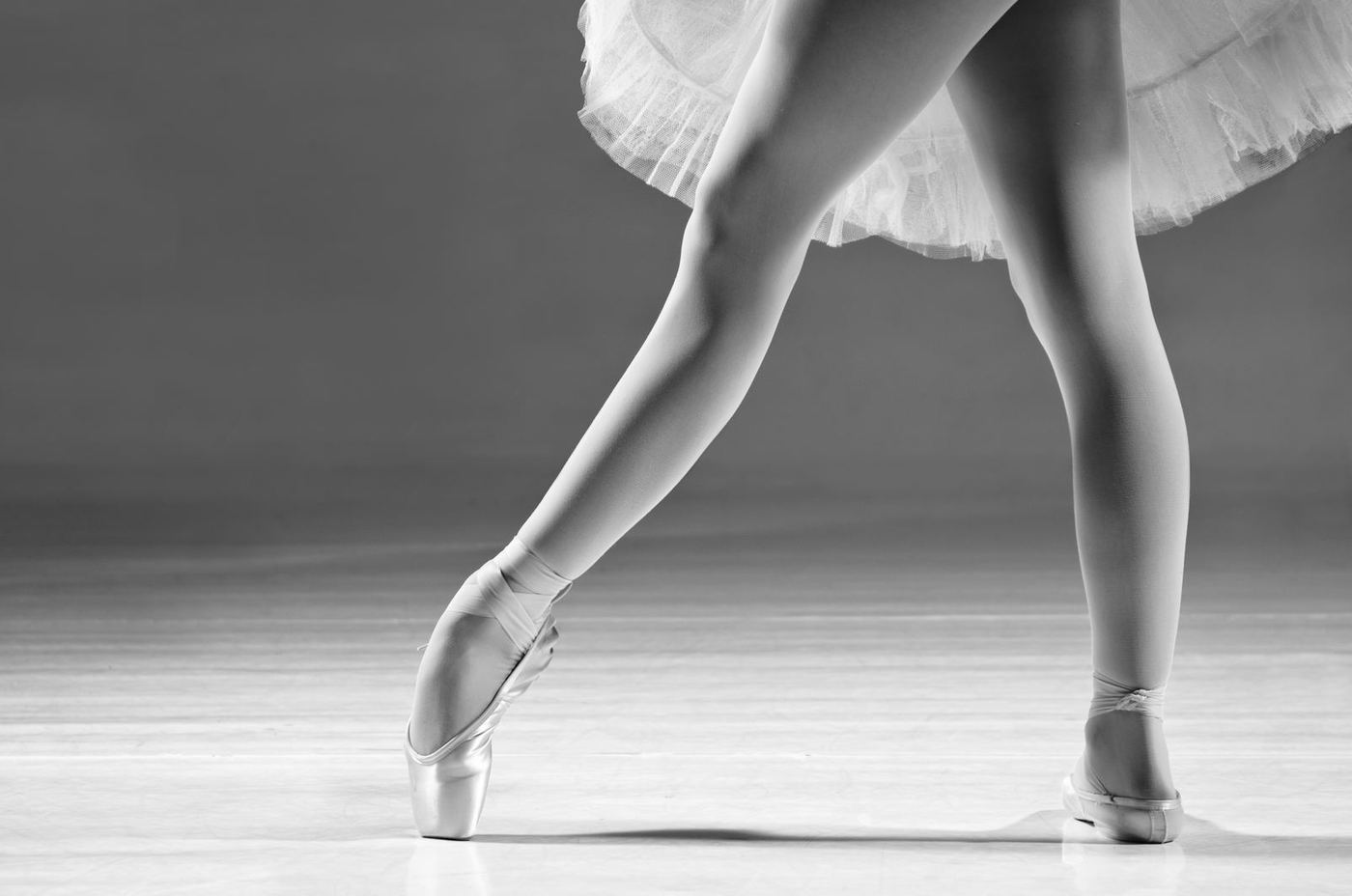
No one goes en pointe before the age of twelve
It is a school rule and it is not negotiable, because it is not a decision made dancer by dancer. Before the age of twelve the bones of the foot and ankle are still forming, and going en pointe too soon causes damage that cannot be undone.
No one is allowed to start earlier, however talented, however eager, and however much a family may ask. Those who wait lose nothing; a dancer who starts at ten may lose the feet they will need at twenty.
- 0112Minimum age for pointe work
Twice a year, and in writing
The pre-professional programmes are formally assessed in December and in June. Five things are looked at, and talent is not one of them.
- Technique
- 1What the body can do, and how correctly it does it.
- Musicality
- 2Whether the movement belongs to the music or simply happens on top of it.
- Attitude
- 3How corrections are received and how the studio is treated.
- Attendance
- 4At this level, the weeks you miss show in the body.
- Progress
- 5Measured against the dancer you were in December, never against the one at the next barre.
The 2026 / 2027 school year
Classes run from September to June. On top of them come the intensives and the stage dates.
- DecemberWinter IntensiveExtra days of work with guest teachers.
- 12 DecemberEl CascanuecesThe school's own show, at 18:00 at the Auditori de Terrassa. All the school's groups take part.
- December and JuneAssessmentsThe two formal assessments of the pre-professional programmes.
- 22 – 26 MarchSpring IntensiveFive days, with guest teachers from Spain and abroad.
- 25 June 2027Classes endThe last regular class of the school year.
- JuneEnd-of-year showThe whole school on the stage of the Auditori de Terrassa.
- 28 June – 16 July 2027Summer IntensiveThree weeks of summer intensive.
What Families Need to Know
The rules are the same for every group in the school. At this level they matter more, because there are more hours and more people depending on each dancer.
Uniform
The uniform supplier is being confirmed for this school year. The school will announce who it is, and where to buy it, before classes begin.
Leotard: the school uniform leotard. Tights: pink. Demi-pointe shoes: for ballet class. Pointe shoes: from age twelve. No plastic. Skirt: the uniform skirt, for repertoire. Contemporary: trousers and a T-shirt may be worn over the uniform. Boys: white T-shirt, black tights and black demi-pointe shoes. Hair: classic bun, high or low, with no loose fringes.
What to bring
More hours means more in the bag.
Water: a bottle with their name on it. Uniform: complete, and already on when they arrive. Bun kit: hair tie, hairpins and hairnet. The day's footwear: demi-pointe shoes, pointe shoes and whatever the complementary class requires. Something to eat: on long afternoons, between one class and the next.
In the studio
The studio has few rules, and they are the same for every group in the school.
Ten minutes early: Arriving early is part of the class: it is the time to change, put your hair up and settle. Warm up beforehand: You warm up before class starts, not during it. A class in progress: It is not interrupted. If you arrive late, wait for the teacher to give you a signal. Ready on arrival: Uniform on and hair done before entering the studio. Respect: For the teacher, for classmates and for the equipment. Appropriate language. Mobile phones: They stay outside the studio during class.
Attendance
Attendance is one of the five things that are assessed, and the only one that depends entirely on the dancer.
Let us know: tell the school when your child will not be coming. Eighty per cent: the attendance we recommend for taking part in performances and assessments. Casting: anyone who misses rehearsals cannot hold a place in a piece the rest of the group is building.
Communication
Constant communication with families is one of the school's stated values, and this is how it works in practice.
WhatsApp group: an information group for the class, with everything important also sent by email. Start-of-year meeting: 10 September, before classes begin. Individual tutorials: with the teacher, whenever needed; either you request them or we do. Progress report: twice a year, with the tutor, alongside the formal assessment. Photographs: class photos and videos are only published with the authorisation that families sign before the school year begins.
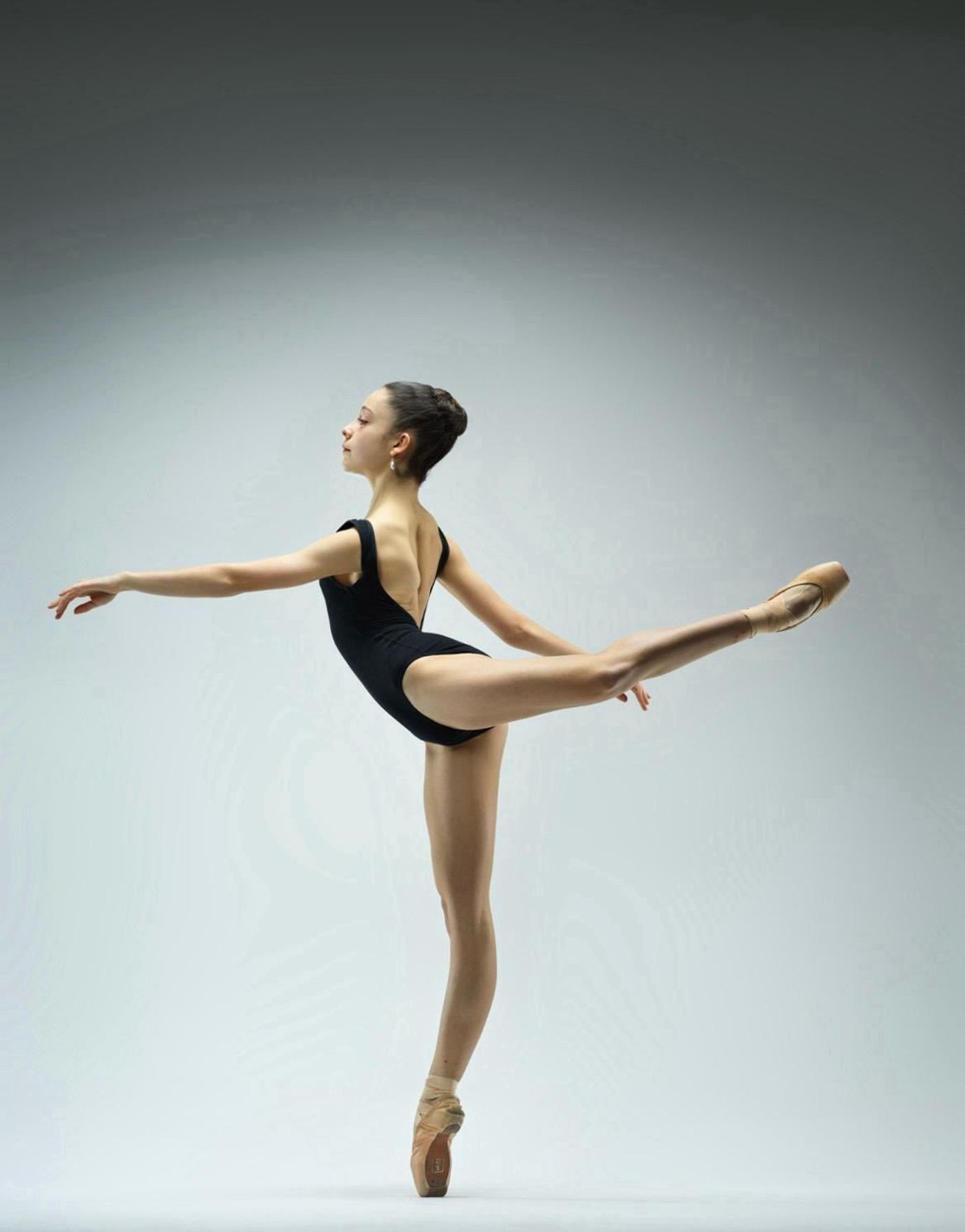
Try a Class First
There is no entrance audition: your dancer takes a class at the level they would join, and the teacher tells you which one suits them.
Tell us their age, how many years they have been training and which level you are asking about (Pre-Professional 1, 2 Intermediate or 2 Advanced): we will place them in a class that same week.
Payment is by card when booking. The school office arranges each trial by phone, WhatsApp or email.
Before you ask
Is there an audition to join?
No. There is no entrance audition at any of the three levels. What we offer is a trial class: the teacher watches the dancer at work and tells you which level suits them. The school's auditions are for the company and for the Trainee programme, not for joining this pathway.
AuditionsWhen do dancers start pointe work?
At twelve, and not before. It is a school rule, not a decision made dancer by dancer, and it is not brought forward for anyone. Before that age, the bones of the foot and ankle are still forming.
Can it be combined with regular school?
The two lower levels meet on Monday and Wednesday afternoons, so yes, no problem. The advanced level runs Monday to Friday, fourteen and a half hours a week: that is a commitment for the whole family, and it is best to talk it through with us before enrolling.
My child has never danced. Can they start at eleven?
Talk to us first. This pathway assumes the foundation that Elementary provides, and joining Pre-Professional 1 cold is hard on a dancer. Sometimes the answer is a year in another group first. Come to a trial class and we will tell you plainly.
Does the pathway lead to an official qualification?
No, and we prefer to be clear about it. Escola Ballet de Catalunya is registered with the Generalitat as a non-regulated dance teaching centre, with centre code 08079584. What this pathway provides is training, repertoire, stage experience and preparation for professional auditions, which is what a company looks for.
Do students dance with the professional company?
They can, when they are cast in a role. Dancers on this pathway take part in performances by Ballet de Catalunya, El Cascanueces among them, as well as in the school's own galas.
Is the enrolment fee refundable?
No. The enrolment fee is paid once per school year and is non-refundable.
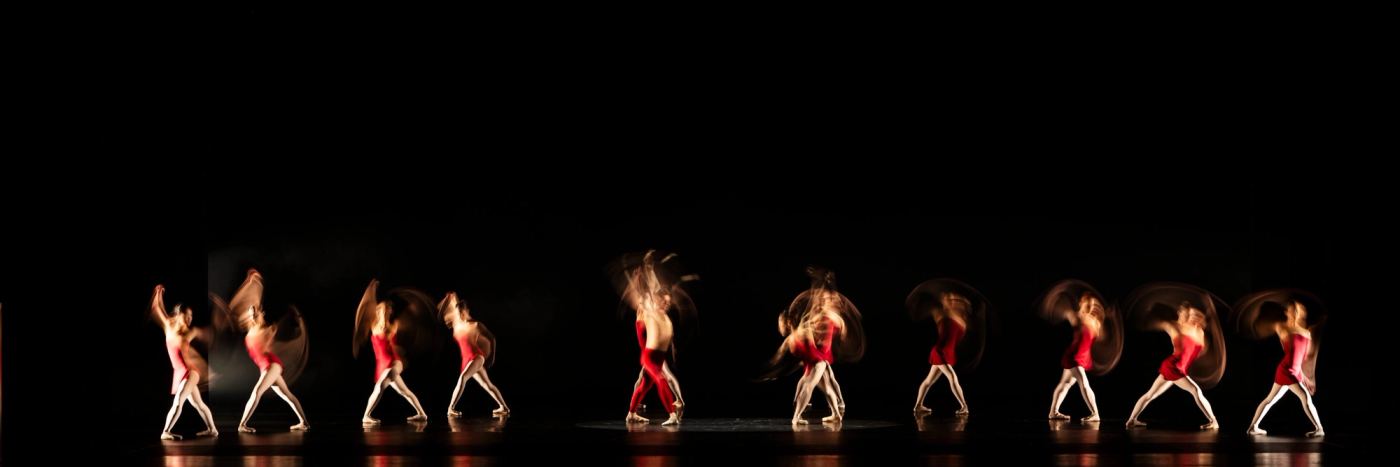
The next step: Trainee
From the age of 16. Intensive training alongside the professional company, supervised by the artistic direction. The last step before a contract, and the reason a school inside a company is not the same as a school next door to one.
Contact the school
Someone from the school will reply within one working day, through the channel of your choice. Opening hours: Monday to Friday, 17:00 to 21:30.
- Emailschool@catballet.org
- Phone+34 93 83 52 053
- WhatsApp+34 649 958 497