Pre Ballet
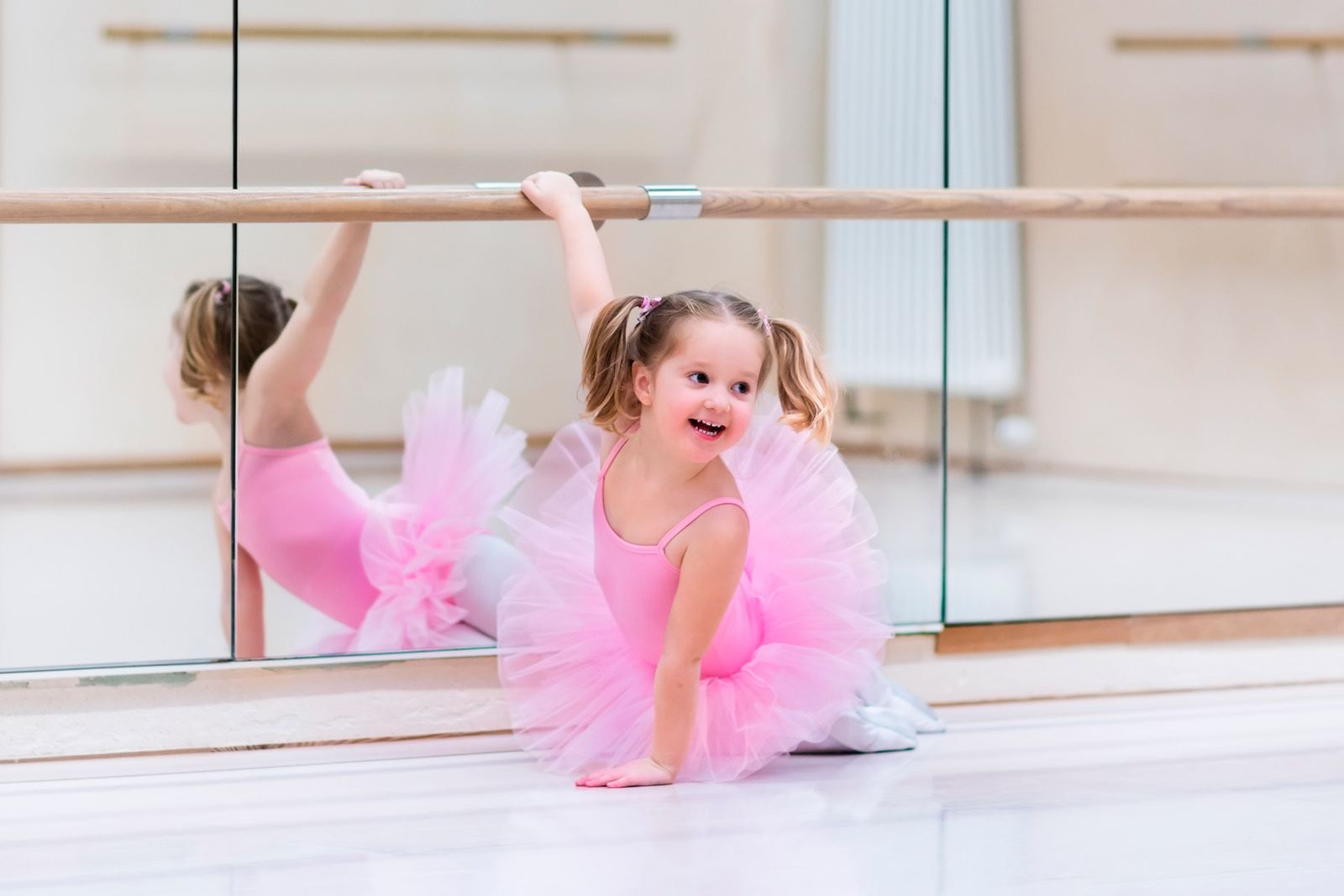
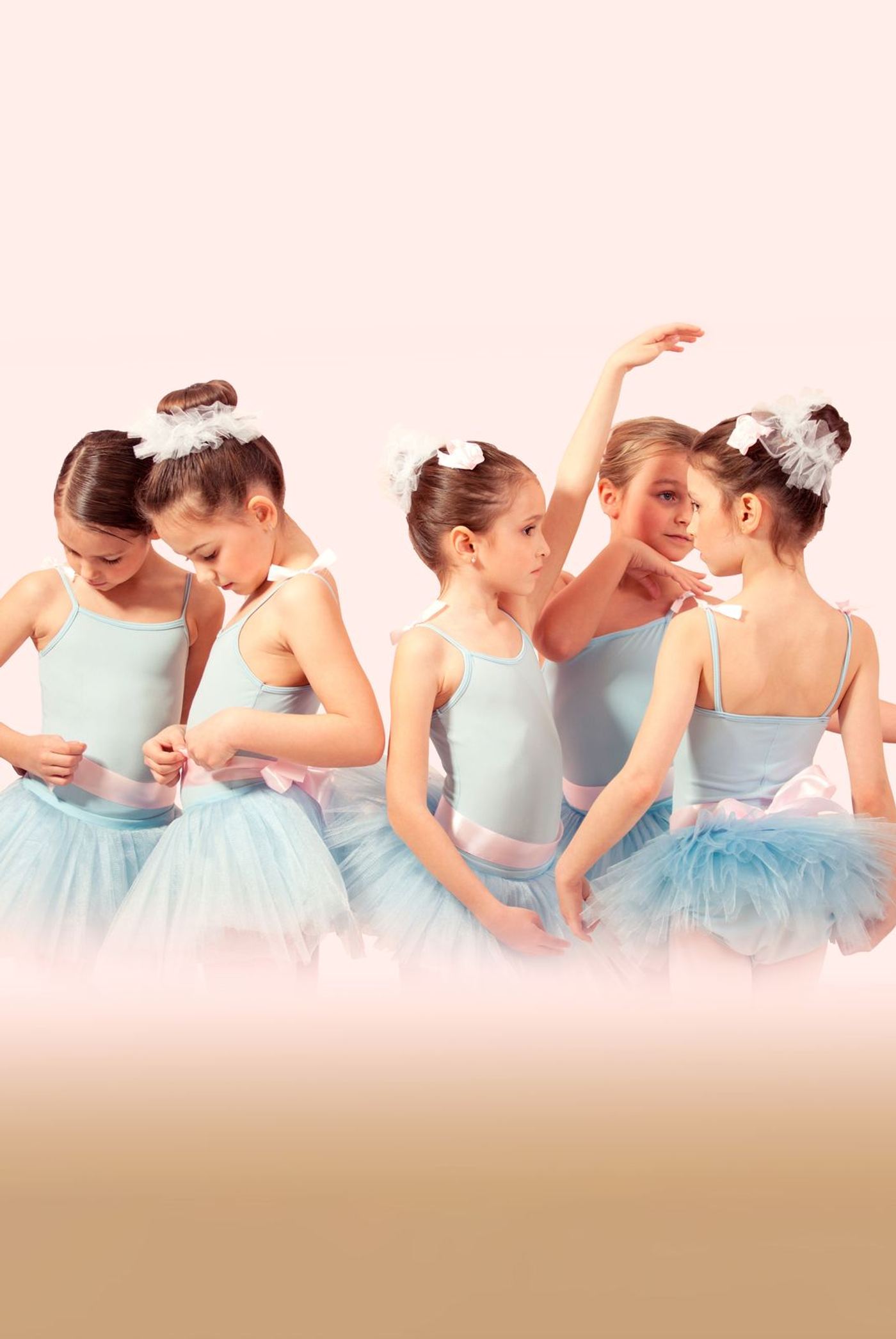
Where dance begins. For boys and girls aged 3 to 6, no audition required.
The Essentials
Age: 3 – 6 years · Enrolment fee: 65 € · Audition: No · Days: Tue · Schedule: 17:30 – 18:30 · Monthly fee: 45 €
Age: 3 – 6 years · Enrolment fee: 65 € · Audition: No · Days: Tue · Thu · Schedule: 17:30 – 18:30 · Monthly fee: 80 €
A Dancer's First Years
Pre Ballet is where a child meets dance for the first time: not as a performance to be perfected, but as a language (rhythm, space, listening and the joy of moving with other children). It is the way into the school and the ground on which everything else is built.
- 01
What They Learn
The first positions in their simplest form, how to hold a pose, how to find the pulse of the music, how to cross a studio without bumping into anyone, and how a ballet class works: where to stand, when to listen, how to greet the teacher.
- 02
How We Teach
Through games, images and stories. At this age a plié can be a lift closing its doors, and a jump can be a bunny. The technique underneath is real and classical; the way in is play. Groups are small, so every child is seen in every class.
- 03
Where It Leads
At seven they move up to Elementary, where work at the barre truly begins. Pre Ballet is not a waiting room: the coordination, musicality and study habits built here are what make that step possible.
Elementary Training
What a Class Is Like
Every class follows the same four parts, in the same order. At this age children learn through repetition, and knowing what comes next is what lets them relax into it.
- 01
The Circle
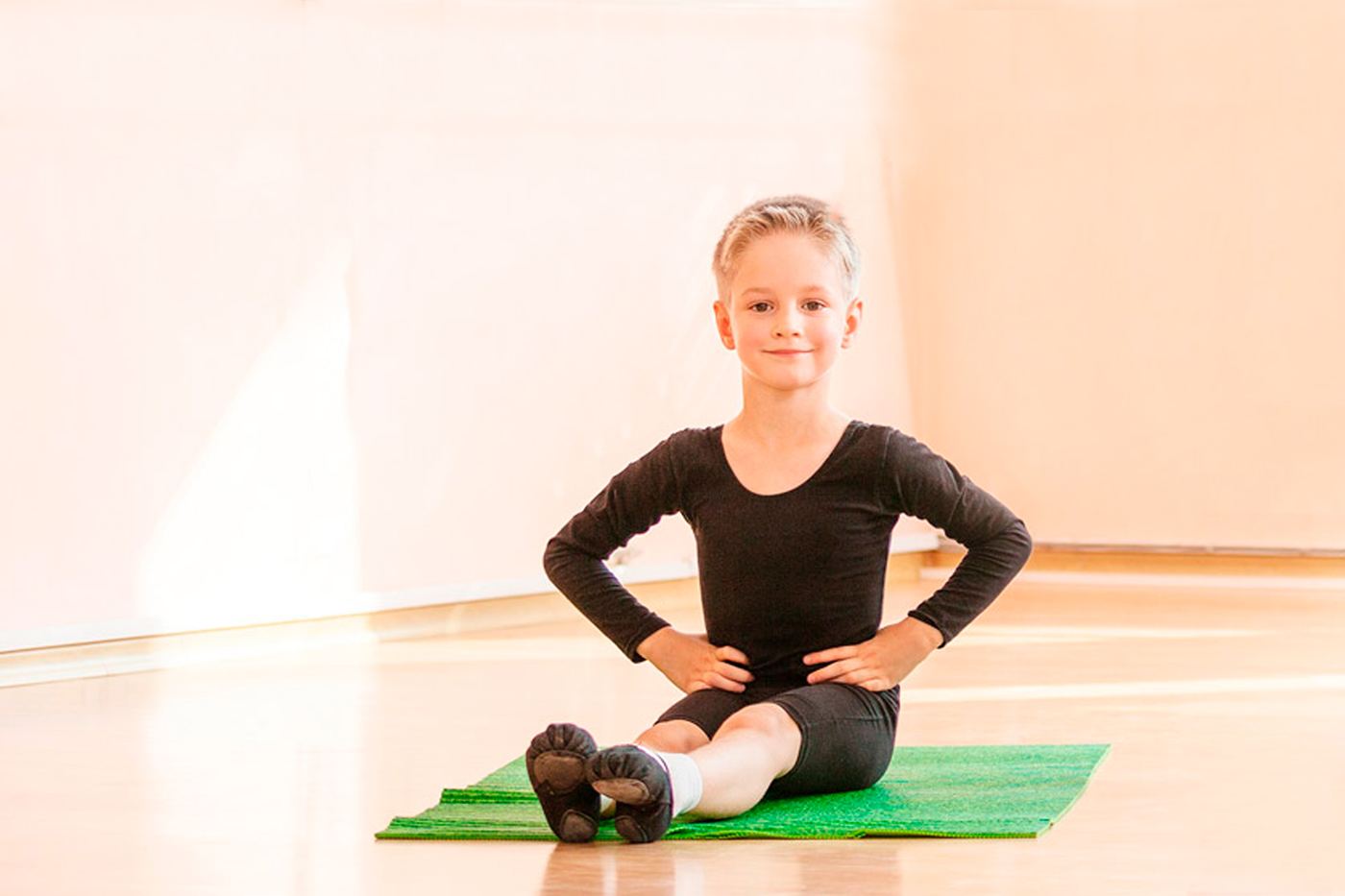
The class begins seated: names, ballet shoes, the bun and the first listening exercise. Five minutes that turn a group of children into a class.
- 02
Floor Work
Stretching and strengthening, seated and lying down: feet, back, the first notion of en dehors. This is where a body learns to hold a straight line.
- 03
Diagonals
Little hops, gallops, marching and jumps from corner to corner, in time with the music: direction, coordination and the courage to cross the studio alone.
- 04
A Story, and the Reverence
The final part is danced: a character, a story, a piece of music. The class closes with the reverence, the bow that ends every ballet class in the world.
What These Years Are For
Between the ages of three and six, a child builds what everything else will rest on: a sense of space, control of their own body, the patience to wait and a first idea of doing something together. A ballet class is one of the few places where all of this is trained at once, and where, on top of that, it feels like a game.
None of this is taught as a school subject. It is taught as a ballet class.
- 01
Finding the Room
At this age a child is still drawing the map: where their body ends, where the wall is, which way is front, where everyone else is. It is the age of bumping into things and not knowing which way to turn.
In the studio: a ballet class is a room with directions: corners, lines, circles, front and back. Children learn to find their place in it and to hold it while everything moves around them.
- 02
Two Things at Once
Arms doing one thing while the legs do another. One side crossing over the other. A movement that has to land on a precise beat. At three, coordination is not automatic: it is learned, and it is learned by doing.
In the studio: every exercise is arms, legs and music at once. The little hops, the gallops and the first port de bras train exactly that, and the child takes it all as a game.
- 03
Waiting for Their Turn
At three, attention is short and grows slowly. Listening to a whole instruction, standing still, waiting while another child crosses the studio: these are skills, and every classroom they will ever sit in will ask for them.
In the studio: the class always has the same shape, so a small child knows what comes next, and knowing is what makes waiting possible. It becomes easy long before anyone calls it discipline.
- 04
Doing It with Others
It is the age at which a child stops playing alongside other children and starts playing with them: sharing a space, holding hands, agreeing on a rule and keeping to it.
In the studio: in a ballet class nothing is done alone: circles, lines, pairs, the whole group finishing on the same beat. The rules come from the dance itself, not from an adult repeating them.
- 05
The Group as One Body
A dance only works if everyone arrives at the same moment. That is the first real experience of being part of a team: not competing against anyone, but being counted on.
In the studio: when one child rushes ahead, it changes the picture for everyone. They learn to watch, to listen and to adjust, and to feel proud of something that belongs to the whole group.
- 06
Counting Without Counting
Music is arithmetic you can hear: counts of eight, halves, repetition, symmetry, patterns that return. It is the same reasoning that maths will ask of them a few years later.
In the studio: the children count a phrase, split it, repeat it, mirror it to the left and right. Pattern recognition, long before anyone calls it that.
Teachers
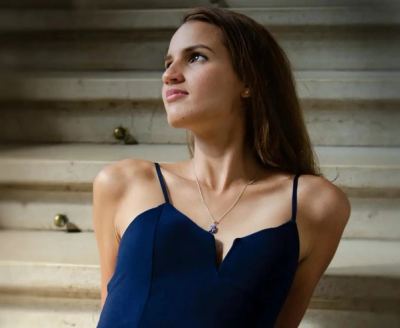
Arasay Toledo
Pre Ballet and Elementary Training
Cuban National Ballet School
The 2026 / 2027 School Year
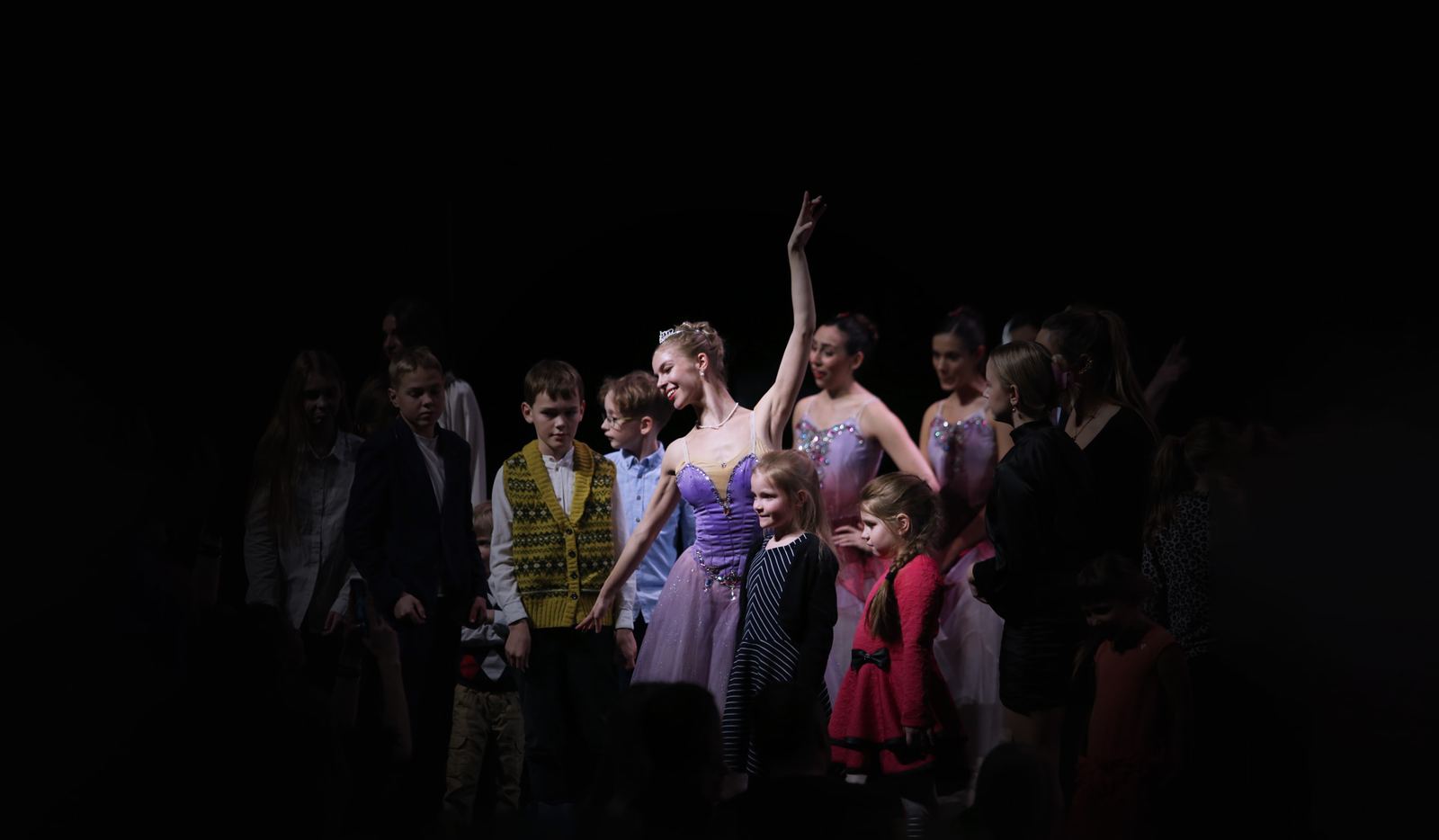
From September to June, following the school calendar. Twice a year the whole school dances at the Auditori de Terrassa, and Pre Ballet is on that stage from the very first year.
- DecemberOpen DayFamilies come into the studio and watch a class from the inside.
- 12 DecemberEl CascanuecesThe school's own show, at 18:00 at the Auditori de Terrassa. All the school's groups take part.
- MayOpen DayA second class open to families, near the end of the school year.
- 25 June 2027Classes EndThe last regular class of the school year.
- JuneEnd-of-Year ShowThe big one: the whole school on the stage of the Auditori de Terrassa.
What Families Need to Know
Uniform
The uniform supplier is being confirmed for this school year. The school will say who it is, and where to buy it, before classes begin.
Leotard: the school uniform leotard. Tights: pink. Shoes: demi-pointe ballet shoes. Skirt: the uniform skirt, for repertoire. Boys: white T-shirt, black tights and black demi-pointe ballet shoes. Hair: classic bun, high or low, with no loose fringes.
(The supplier is the same for Pre Ballet, Elementary and the pre-professional programmes.)
What to Bring
Four things in the bag, for every class.
Water: a bottle with their name on it. Uniform: complete, and already on when they arrive. Bun kit: hair elastic, hairpins and hairnet. Spare clothes: for the youngest ones, if you think they may be needed.
In the Studio
The studio has few rules, and they are the same for every group in the school.
Ten minutes early: Arriving early is part of the class: it is time to change, do the bun and settle down. Warm up beforehand: Warming up happens before the class begins, not during it. A class under way: It is not interrupted. If you arrive late, wait for the teacher to give you a signal. Ready on arrival: Uniform on and hair done before entering the studio. Respect: For the teacher, for classmates and for equipment. Appropriate language. Mobile phones: They stay outside the studio during class.
Attendance
No one is penalised for missing a class. But dance is built through repetition, and the stage has its own demands.
Let us know: tell the school when your child is not going to attend. Eighty per cent: the attendance we recommend in order to take part in performances and assessments.
Communication
Constant communication with families is one of the school's stated values, and this is how it takes shape.
WhatsApp group: an information group for the class, and everything important also by email. Start-of-year meeting: 10 September, before classes begin. Individual tutorials: with the teacher, whenever they are needed; either you request them or we do. Progress report: twice a year, with the tutor. Photographs: photos and videos from class are published only with the authorisation that families sign before the school year begins.
Schedule and Fees
From 17:30 to 18:30. The same class and the same group: what changes is how many times a week your child dances.
Registration fee: 65 €, once per school year; non-refundable. Discounts for siblings, annual payment and large families are applied at the time of registration.
One day a week
45 € per month
Tue · 5:30 – 6:30 pm
- One hour a week
- The usual starting point for children who join at age three
- No audition
Two days a week
80 € per month
Tue and Thu · 5:30 – 6:30 pm
- Two hours a week
- The repetition that makes learning stick
- The same rhythm as Elementary
- No audition
Try a Class First
The surest way to know whether Pre Ballet is right for your child is to let them take a class with their group.
Tell us their age and which day suits you (Tuesday or Thursday), and we'll place them in a class that same week.
Payment is by card when you book. The school office arranges each trial class by phone, WhatsApp or email.
Before You Ask
Does my child need to have danced before?
No. Pre Ballet is the very beginning: most children arrive with no experience at all, and the class is designed for exactly that.
My son is three years old. Is he too young?
No: the group starts at three. What we ask of a three-year-old is not the same as what we ask of a six-year-old, and the class is designed for both.
My child turns seven this school year. Which group will they be in?
Elementary, ages 7 to 10. If your child is on the borderline between the two groups, call the school and we will place them after seeing them in a class.
Can we join once the school year has started?
Often, yes; it depends on how full the group is. Ask at the school office and we'll tell you what's available right now.
Is the enrolment fee refundable?
No. The enrolment fee is paid once per school year and is non-refundable.
What if Tuesdays don't work for us?
Pre Ballet is on Tuesdays, with the second hour on Thursdays. These are the days for this group; other school programmes run on other days.
The next step: Elementary Training
Ages 7 to 10. Where the classical foundation truly begins: the barre, the centre and a technique built term by term. One or two days a week, on the same days as Pre Ballet.
Contact the school
Someone from the school will reply within one working day, through whichever channel you prefer. Opening hours: Monday to Friday, 5:00 pm to 9:30 pm.
- Emailschool@catballet.org
- Phone+34 93 83 52 053
- WhatsApp+34 649 958 497