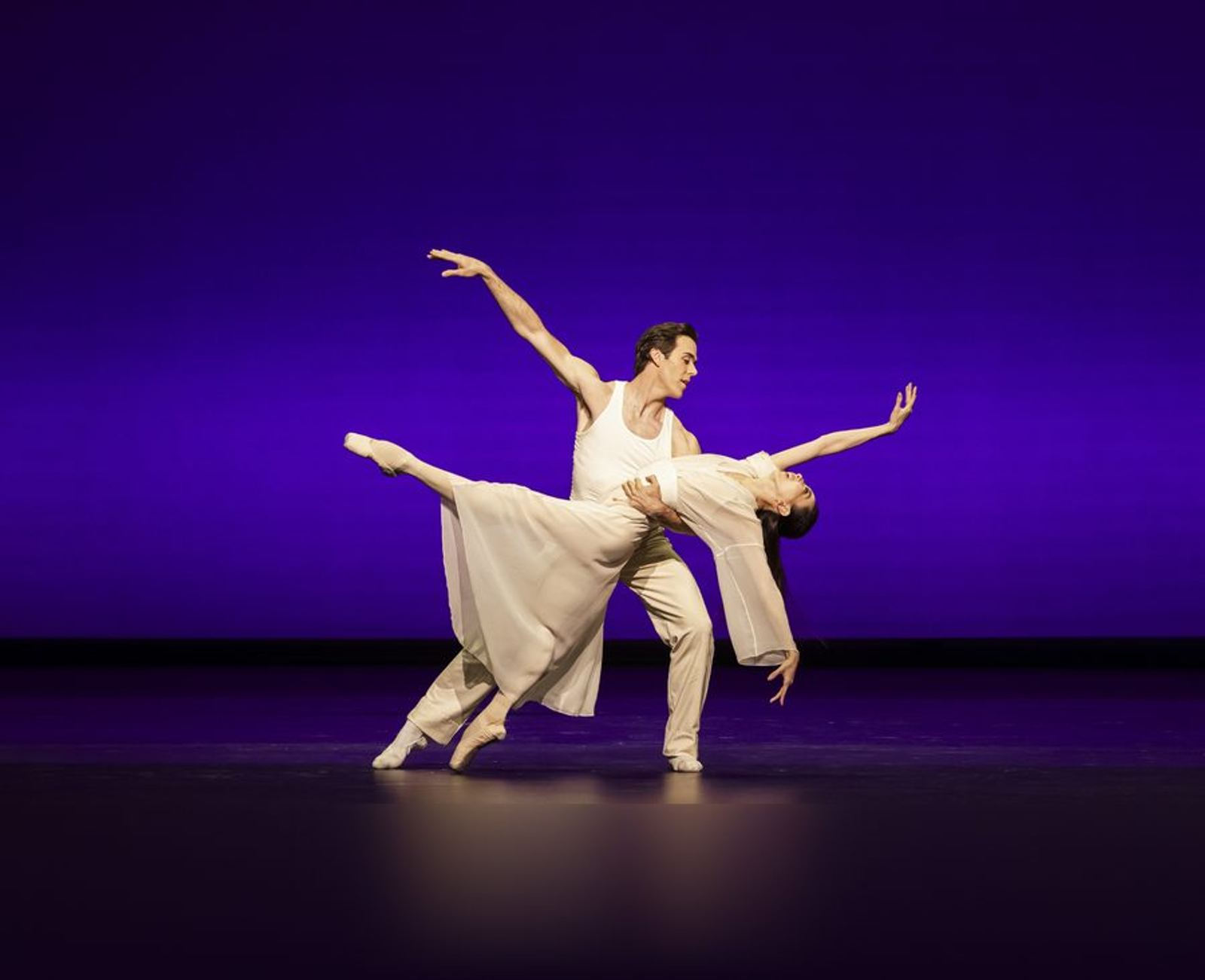
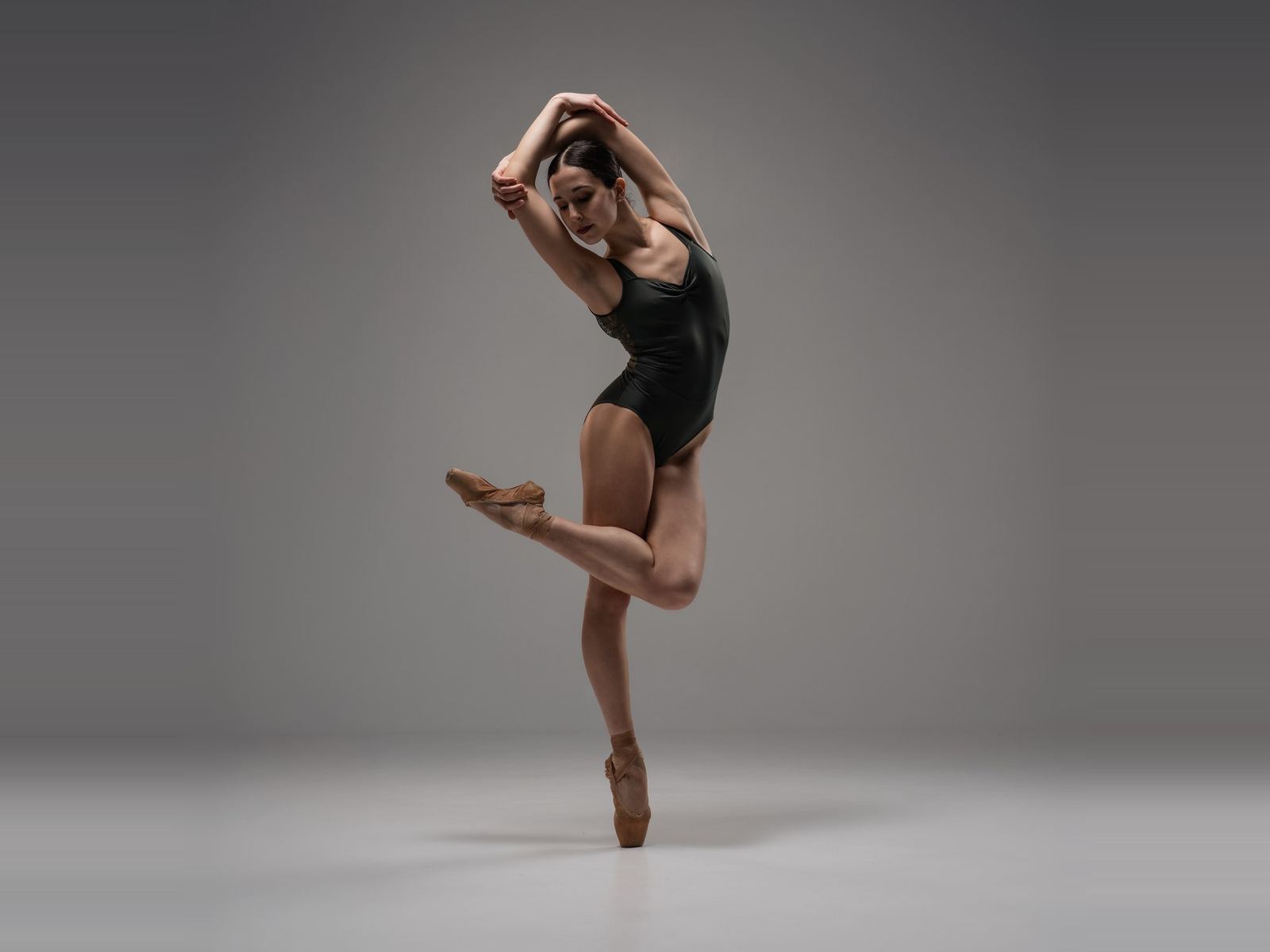
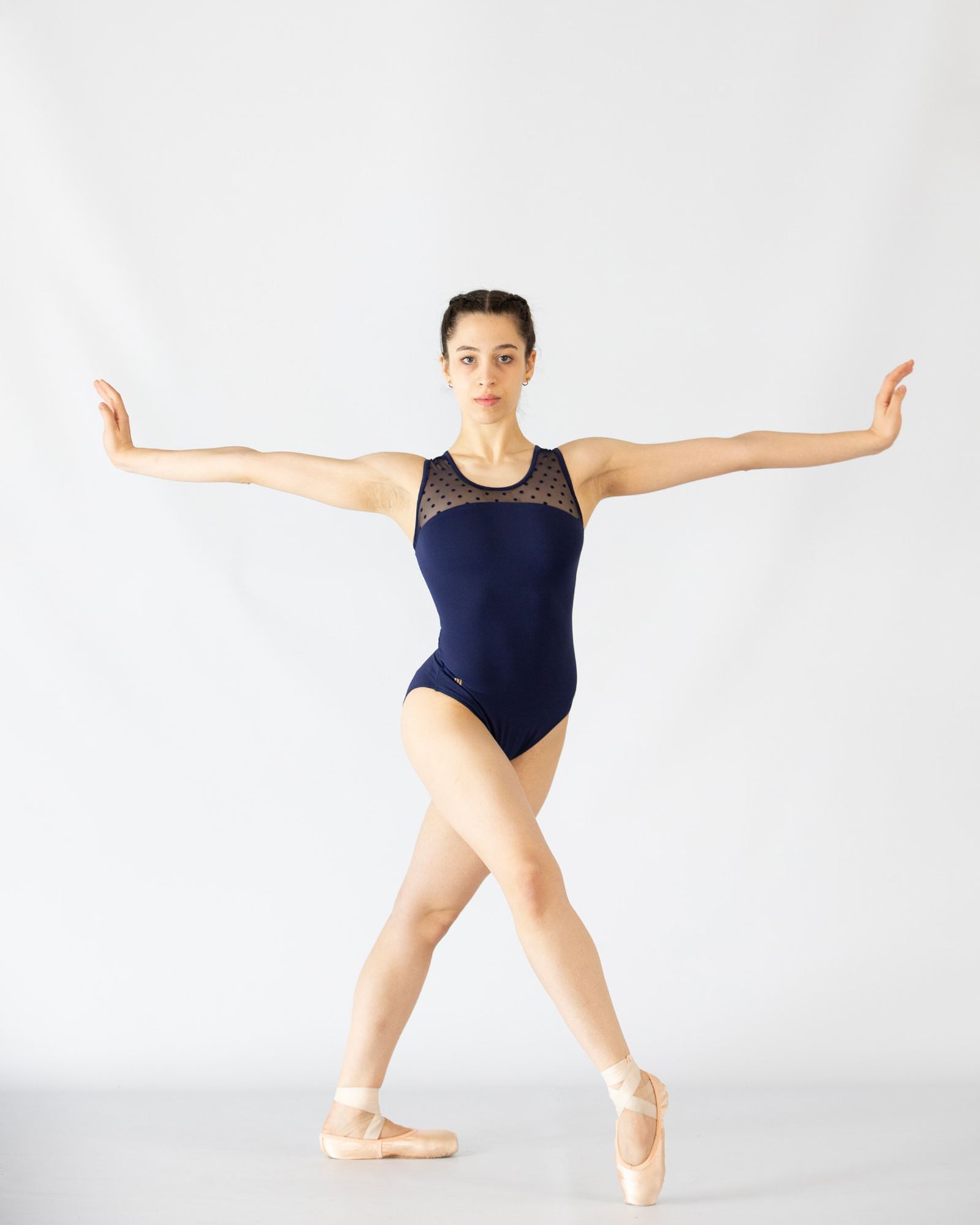
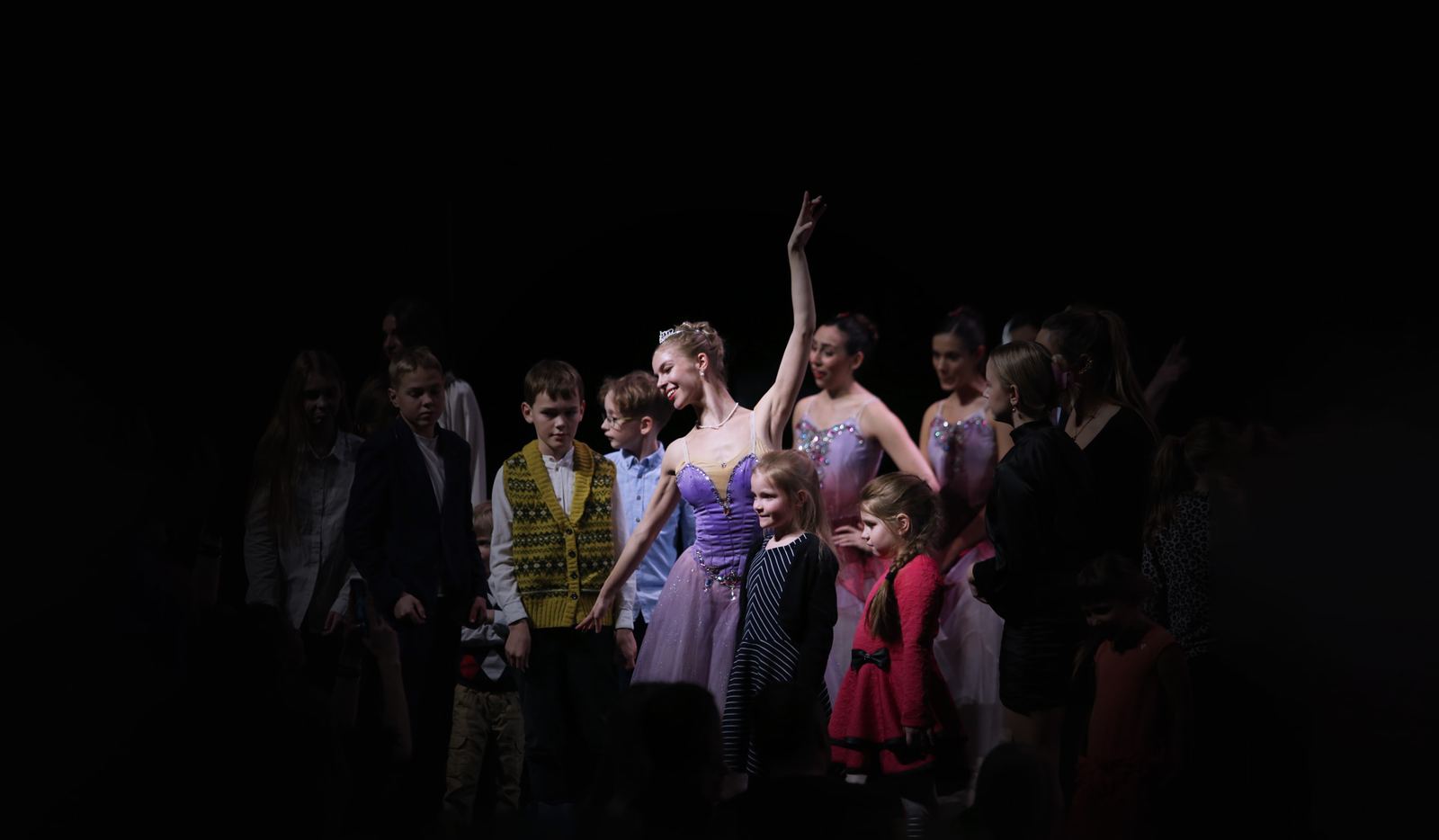
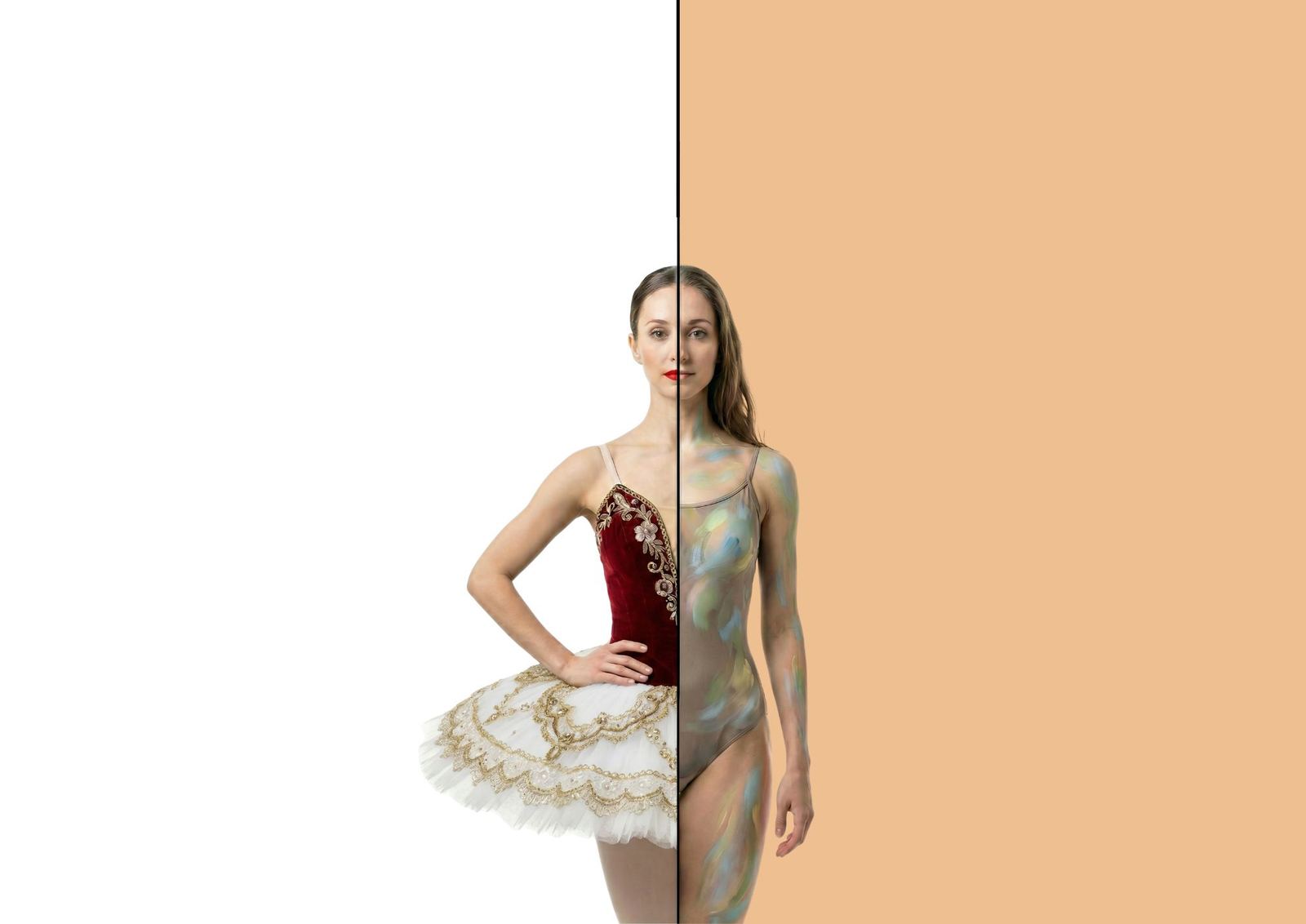
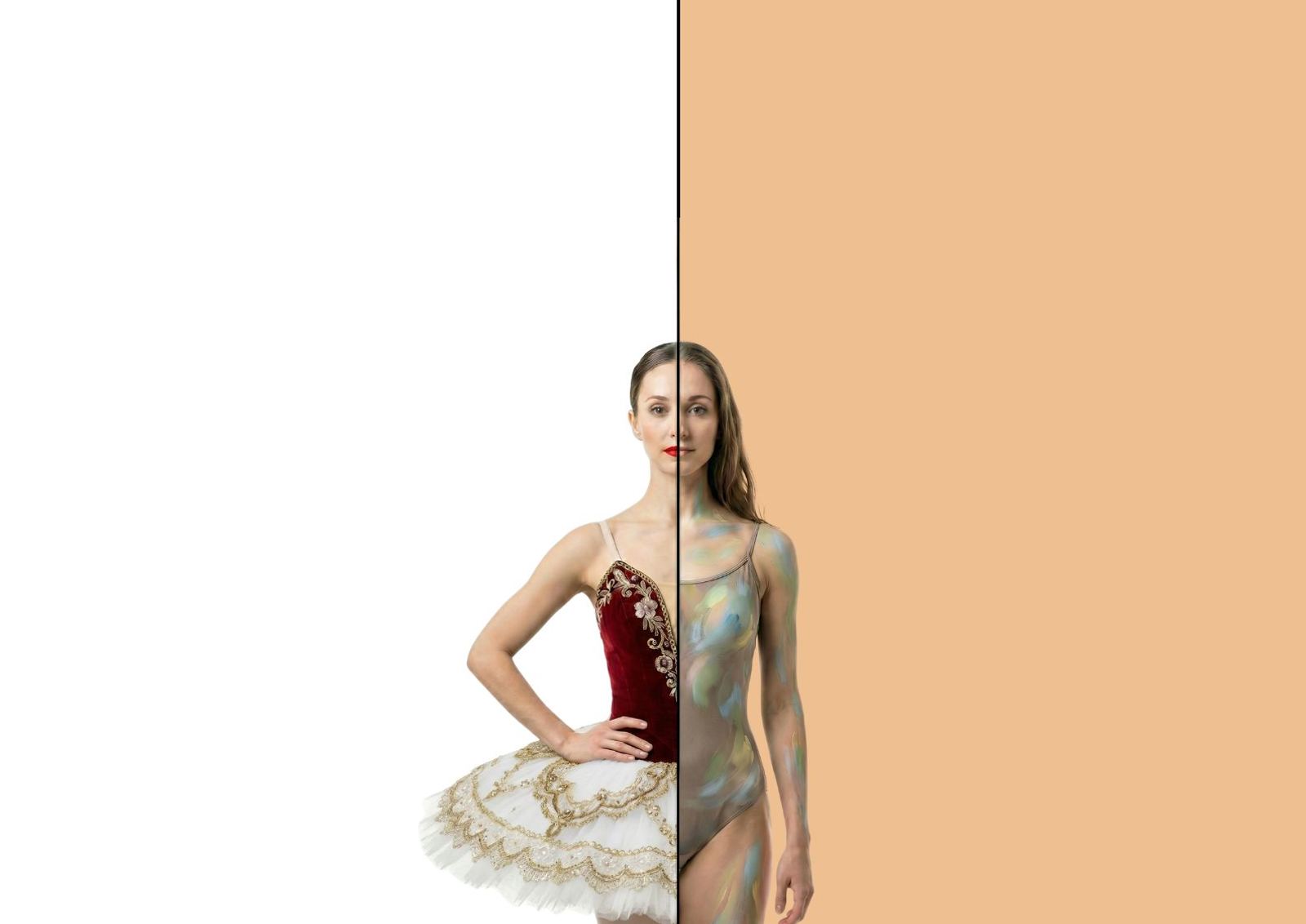
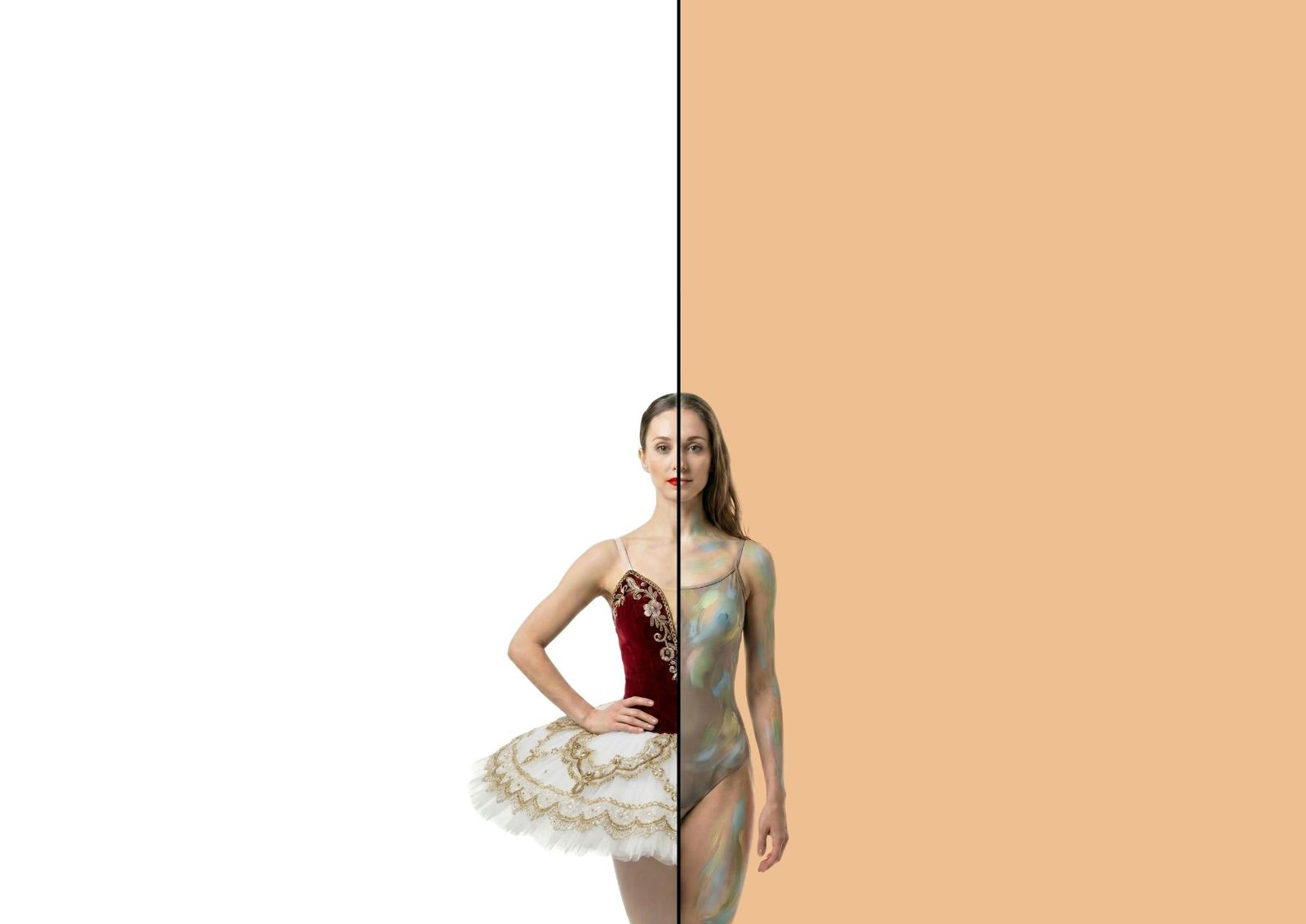
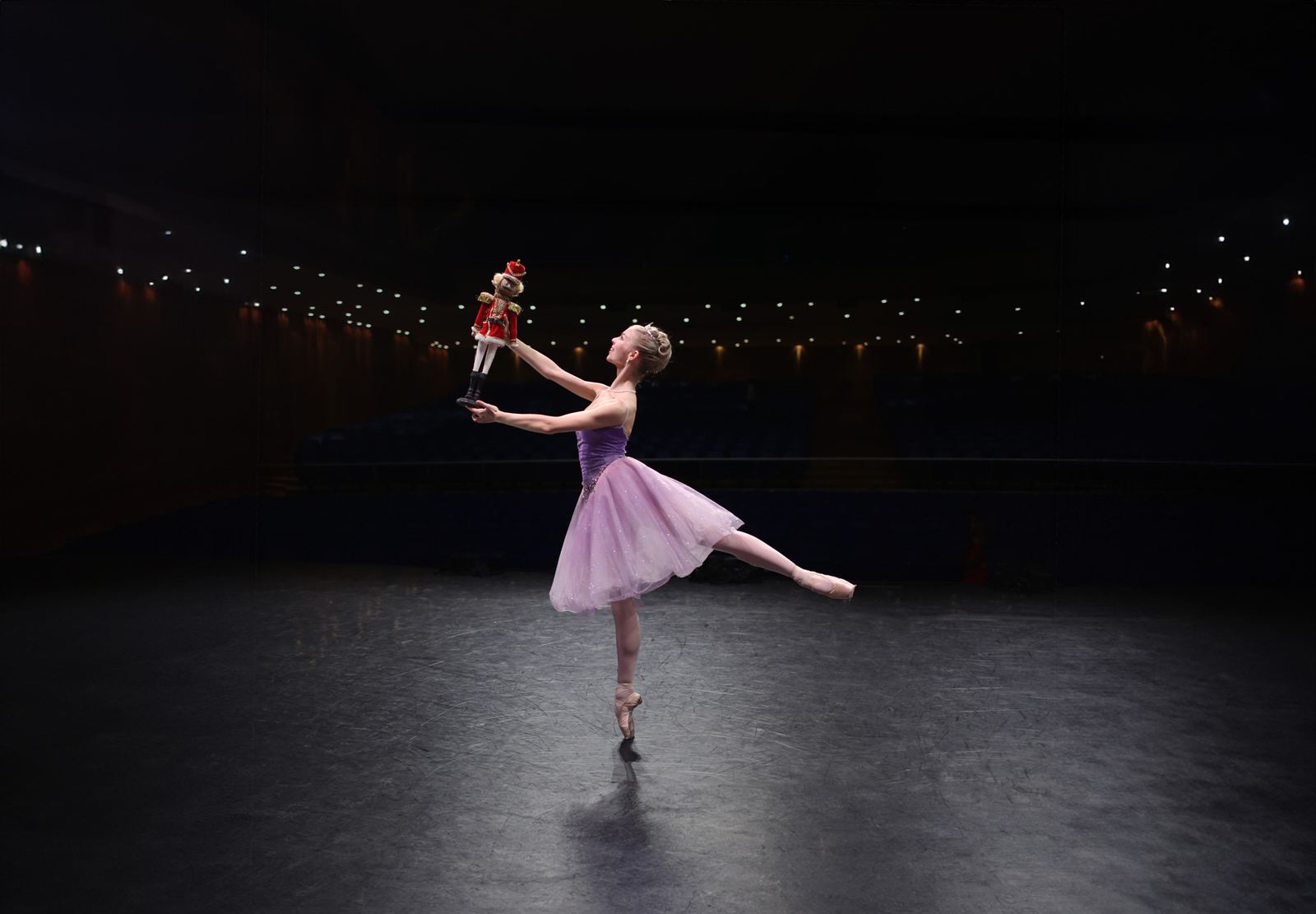
BILL 1 – Paquita Divertissement. Paquita Divertissement is a brilliant celebration of classical ballet in its most dazzling form. Drawn from the celebrated nineteenth-century masterpiece Paquita, this divertissement gathers the work's most emblematic moments in a vibrant showcase of virtuosity and elegance.
With sparkling solo variations, refined ensemble passages for the corps de ballet, the lively pas de trois and the grandeur of the famous Grand Pas Classique, this piece offers an exhilarating display of technical brilliance and theatrical charm.
Set to the radiant music of Ludwig Minkus, whose scores remain synonymous with the golden age of ballet, Paquita Divertissement unfolds with joy, precision and irresistible momentum.
Rich in musicality, energy and classical refinement, it captures the timeless splendour of the classical repertoire, opening the evening with brilliance, tradition and a pure celebration of ballet.
BILL 2 – Still Watching? In the age of hyperconnection, visibility has become a form of survival. We live surrounded by constant gazes, metrics and instant validation, in a world where being seen means existing, and where disappearing means being quietly returned to anonymity.
Still Watching is a choreographic work that explores the impact of social media and the culture of attention on the contemporary body. A universe governed by an impersonal logic: the algorithm. A system that amplifies whatever generates immediate impact, and quietly reabsorbs everything that does not stand out.
The choreographer creates a physical landscape in which the group functions as a living network, a collective flow that observes, replicates and consumes. Individuality becomes fragile: every attempt at authenticity is evaluated, corrected or turned into content. Validation is not a reward but an unstable condition: always provisional, always dependent on an outside gaze.
As the piece unfolds, the pressure to remain present, to please, to stay within the frame, becomes suffocating. The body enters a state of forced repetition and permanent exposure, until identity begins to fracture. In that space, anxiety, dissociation and mental exhaustion emerge: the split between what is shown outwardly and what is quietly lost within.
Without screens or words, Still Watching turns the stage into an unsettling mirror of our time. It is not a story about an external system, but about an entire society that takes part in it, that watches, consumes and moves on to the next stimulus without pausing.
Because even when someone falls… no one stops watching. Ultimately, Still Watching is a direct question to the audience: Do we keep watching? Or are we part of what devours?